

PCEP-30-02 Online Practice Questions and Answers
Questions 4
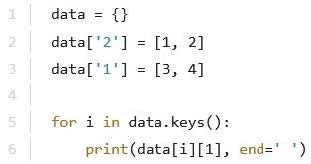
What is the expected output of the following code?

A. efg
B. abc
C. def
D. The code is erroneous.
E. abcde
F. None of the above.
Questions 6
Only one of the following statements is true - which one?
A. addition precedes multiplication
B. multiplication precedes addition
C. neither statement can be evaluated
Questions 7
What is the expected output of the following code? print(1 / 1)
A. 1
B. 1.0
C. This can not be predicted.
D. This can not be evaluated.
Questions 8
The result of the following division:

A. cannot be evaluated
B. is equal to 1.0
C. is equal to 1
D. cannot be predicted
Questions 9
What do you call a computer program which directly executes instructions written in a programming language?
A. A compiler
B. An interpreter
C. A translator
Questions 10
What is true about compilation? (Choose two.)
A. The code is converted directly into machine code executable by the processor
B. It tends to be faster than interpretation
C. It tends to be slower than interpretation
D. Both you and the end user must have the code
Questions 11
What is the expected output of the following code?
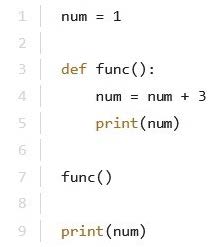
A. 4 1
B. 4 4
C. 1 4
D. The code is erroneous.
E. 1 1
Questions 12
What is the expected output of the following code?
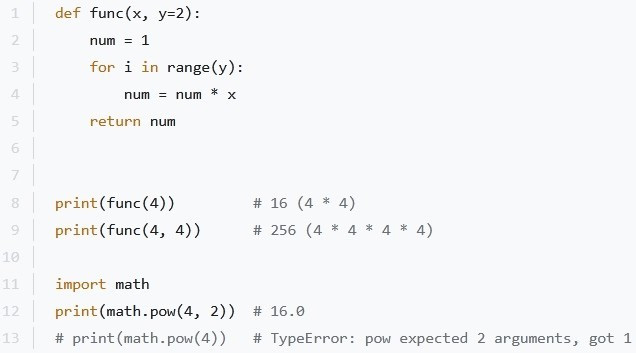
A. 1 | 128 2 | 512
B. 1 | 8 2 | 16
C. 1 | 32 2 | 1024
D. 1 | 16 2 | 256
Questions 13
What is the expected output of the following code? print('Peter' 'Wellert')
A. Wellert
B. PeterWellert
C. Peter
D. The code is erroneous.


Home | About Us | Contact Us | FAQ | Guarantee Policy | Privacy Policy
Any charges made through this site will appear as Global Simulators Limited. All trademarks are the property of their respective owners.
Copyright © 2004-2026 pass2lead.com, All Rights Reserved.