

 Printable PDF

United States Medical Licensing Step 3: USMLE-STEP-3
Want to pass your United States Medical Licensing Step 3 USMLE-STEP-3 exam in the very first attempt? Try Pass2lead! It is equally effective for both starters and IT professionals.
- Vendor: USMLE
- Exam Code: USMLE-STEP-3
- Exam Name: United States Medical Licensing Step 3
- Certifications: USMLE Certifications
- Total Questions: 804 Q&As( View Details)
- Updated on: Jul 07, 2026
- Note: Product instant download. Please sign in and click My account to download your product.



- Q&As Identical to the VCE Product
- Windows, Mac, Linux, Mobile Phone
- Printable PDF without Watermark
- Instant Download Access
- Download Free PDF Demo
- Includes 365 Days of Free Updates
VCE
- Q&As Identical to the PDF Product
- Windows Only
- Simulates a Real Exam Environment
- Review Test History and Performance
- Instant Download Access
- Includes 365 Days of Free Updates
Passing Certification Exams Made Easy
Everything you need prepare and quickly pass the tough certification exams the first time
- 99.5% pass rate
- 7 Years experience
- 7000+ IT Exam Q&As
- 70000+ satisfied customers
- 365 days Free Update
- 3 days of preparation before your test
- 100% Safe shopping experience
- 24/7 Support
USMLE USMLE-STEP-3 Last Month Results
Free USMLE-STEP-3 Exam Questions in PDF Format
Related USMLE Certifications Exams
USMLE-STEP-3 Online Practice Questions and Answers
Questions 1
A 48-year-old woman presents for evaluation of progressively worsening dyspnea. She relates the onset of symptoms to a "walking pneumonia" that she had a year ago. Her breathing has worsened progressively since that time. She has a "smoker's cough" productive of some clear or white phlegm, for which she frequently sucks on cough drops. She started smoking regularly at the age of 18. She currently smokes about a pack of cigarettes a day, down from as much as two packs per day. She is not on any medications regularly. She has no history of heart disease and has always had normal blood pressure
You recommend smoking cessation to your patient. She asks why, at this point, she should quit. Which of the following statements is true?
A. Her pulmonary function will improve 50% or more if she quits.
B. Quitting will not affect her pulmonary status but may reduce her risk of having a heart attack.
C. At this point, quitting will not improve her survival.
D. She is going to require supplemental oxygen and smoking will represent a significant fire hazard.
E. If she is able to stay off of cigarettes, the rate of worsening of her lung function will slow.
Questions 2
You are asked to perform a high school physical examination for a 16-year-old female patient. She is on the track team. By history, she is healthy except for the fact that she has been amenorrheic for 4 months. She denies current or past sexual activity. On examination, she is 5 ft 9 in. tall and weighs 115 lbs. Her heart rate is 50 bpm. She has dry skin with lanugo. She has several sores in her mouth and obvious dental caries. She has several scratches on the backs of her hands. She is tanner stage III on breast examination. Her pelvic examination is remarkable for findings of urogenital atrophy. Her urine -hCG is negative. This patient is at risk for developing which of the following?
A. schizophrenia
B. renal failure
C. morbid obesity
D. osteoporosis
E. cholecystitis
Questions 3
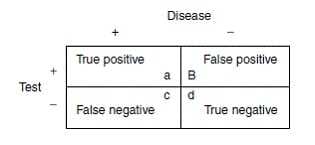
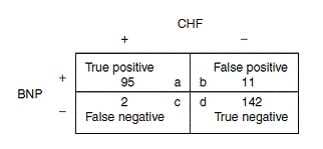
You are evaluating a journal article describing a test for the diagnosis of congestive heart failure (CHF). In the study described, 250 consecutive patients were given the test. Of the 250 subjects, 106 tested positive for CHF and 144 tested negative. All 250 subjects were then evaluated by expert cardiologists who were blinded to the results of the experimental test. These cardiologists determined that of the 106 persons who tested positive, 95 actually had CHF. Further, the cardiologists found that of the 144 who tested negative, 2 truly had CHF.
What is the sensitivity of this test for the diagnosis of CHF?
A. 98%
B. 93%
C. 75%
D. 61%
E. 39%
Reviews
-
Mike
 United Statestook the exam yday.passed with almost full mark.Dump is very valid.
 -
zel
 Sri LankaI'm so happy that I passed exam this week. Thanks for this study material and my friend's recommendation.
 -
Temel
United Statesvalid 100% thanks for helping me pass the exam. -
Got 950 pass monday, almost all questions from this dumps.. So its VALID!!
-
Belly
 PhilippinesI passed the exam today with 9xx. Dump is valid.Thank you all and special thanks to my friend Neil.
 -
Donn
United StatesThis dumps is still very valid, I have cleared the written exams passed today. Recommend. -
zera
 SwedenPassed today with 938. There are a lot of D&D but only 3-4 new. Thank you all!
 -
Thanks god and thank you all. 100% valid. all the other questions are included in this file.
-
Zy
 SingaporeAt first, i don’t think i can pass the exam. But when i used this dumps, i felt more confident to pass the exam. It is not out of my expectation, i passed the exam with the full score because I met many same question that i have done in this dumps. Thanks this dumps, it is useful.
 -
saini
 Australiai really love this dumps, update quickly and content completely. it is enough for my exam. Recommend.



Home | About Us | Contact Us | FAQ | Guarantee Policy | Privacy Policy
Any charges made through this site will appear as Global Simulators Limited. All trademarks are the property of their respective owners.
Copyright © 2004-2026 pass2lead.com, All Rights Reserved.